
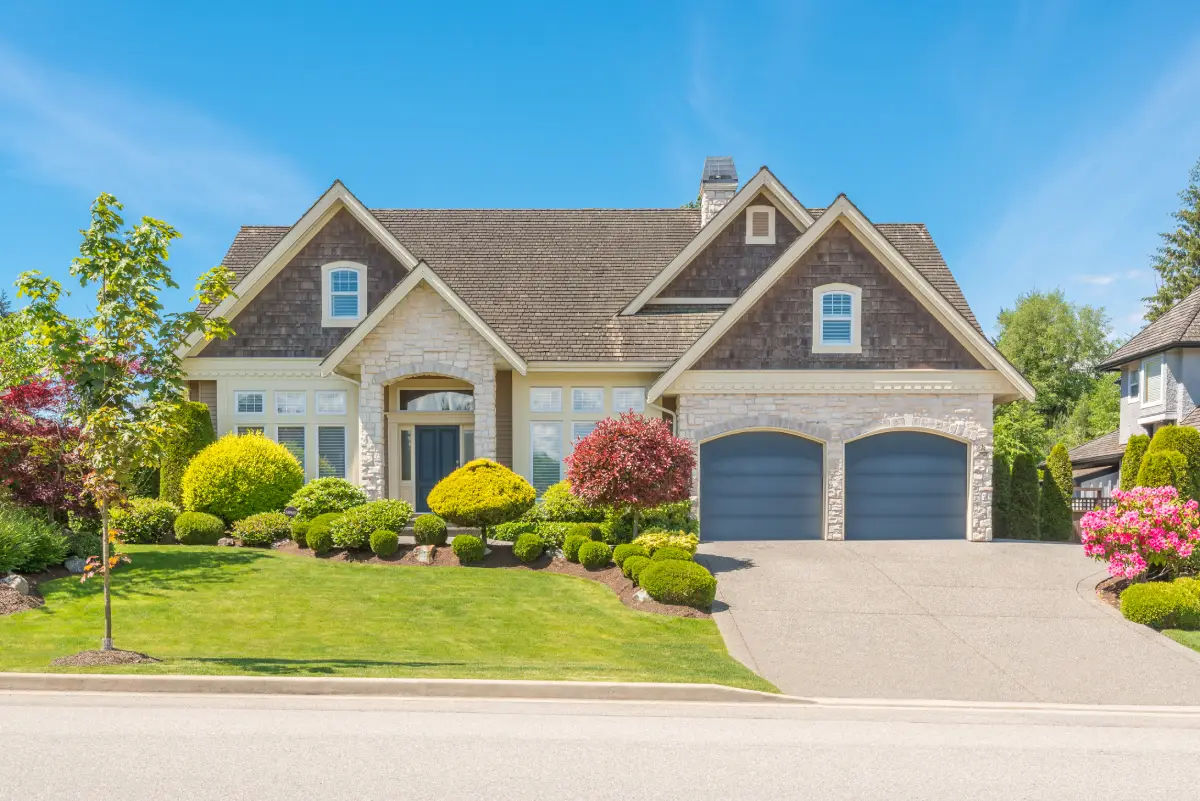
Rental decisions feel far more stable when long-term planning comes first and owners actively protect long-term value instead of reacting to problems after they surface. Single-Family Homes often support that approach by offering clearer operations, fewer shared complications, and tenant demand that favors consistency over constant turnover.
We operate with a strictly residential focus at PMI Chattanooga, which allows us to see performance patterns play out across real portfolios, not just individual properties. That perspective helps us guide owners toward choices that reduce friction, keep cash flow predictable, and support growth that feels intentional rather than overwhelming.
Key Takeaways
- Single-Family Homes in Chattanooga often reduce tenant conflict and operational noise.
- Private layouts and flexible space can support longer leases and steadier occupancy.
- Detached properties typically allow more individualized rent pricing than multifamily units.
- Maintenance planning is often simpler without shared building systems.
- Growth feels more controlled when each home runs independently within your portfolio.
What Chattanooga Renters Actually Prioritize
Chattanooga renters aren’t shopping for square footage alone. They’re weighing privacy, parking, storage, and how the home fits daily routines, especially for hybrid work, pets, and family life.
Single-Family Homes tend to match those expectations naturally. Private entrances and fewer shared touchpoints often translate to fewer complaints, fewer neighbor conflicts, and fewer small frustrations that push tenants to move. When renters feel settled, renewals become more common, and renewals are where portfolios get their consistency.
The lifestyle pull matters
A home that supports everyday habits often wins over “nice-to-have” amenities. In Chattanooga, that can include driveway parking, a yard, room for hobbies, or simply a quieter setup that feels more personal.
Lower Density Usually Means Fewer Problems
Property density affects how often issues pop up and how complicated they become. Multifamily setups can create more shared-living friction because hallways, parking areas, trash spaces, and thin walls turn minor annoyances into repeated conflicts.
Single-Family Homes reduce those pressure points. Issues also tend to stay contained. When a repair is needed, it typically involves one household, one schedule, and one system. That makes communication cleaner and decision-making faster.
From our side at PMI Chattanooga, lower-density properties let us spend more time on proactive planning, performance tracking, and preventative upkeep, rather than constant reaction.
Floor Plans That Age Well With Tenant Needs
A big reason tenants move is simple: the space stops fitting their life. Chattanooga renters may shift into remote work, add a roommate, welcome extended family visits, or need space for equipment, storage, and hobbies.
Single-Family Homes usually offer more adaptability. An extra bedroom can become a workspace. A dining area can turn into a study zone. A bonus room can serve as a home gym. That flexibility can keep tenants comfortable longer, which helps limit vacancy gaps and turnover costs.
Small layout advantages add up
Detached homes also tend to provide separation between living and sleeping areas, better storage, and more room to spread out. Even when tenants don’t “need” the extra space on move-in day, they often appreciate it later, which supports renewals.
Rent Pricing With More Room to Strategize
Pricing a rental gets complicated when similar units compete against each other under one roof. In multifamily settings, comparable units can create internal pressure, especially when a landlord needs to fill vacancies quickly.
Single-Family Homes compete more at the neighborhood level. That gives owners more control to price based on features, curb appeal, upgrades, outdoor space, parking, and condition. It’s also easier to position the home as a distinct offering rather than “another unit like the others.”
National demand reinforces why detached living holds value. The median existing single-family home price reached $426,800 in the third quarter of 2025, and that steady demand often spills into rental preferences too.
Dialing in price starts with valuation discipline
If you want pricing that supports both occupancy and revenue, start with a reliable valuation approach. Our guide to nail rental pricing outlines how owners can get closer to market reality and avoid the slow leaks that come from underpricing or vacancy.
Maintenance That’s Easier to Forecast
Every rental needs maintenance, the difference is how many moving parts you’re juggling. Multifamily properties often involve shared systems and stacked-unit dependencies, which can complicate scheduling, access, and cost forecasting.
Single-Family Homes usually keep repairs isolated to one residence. That makes it easier to plan preventative work, time repairs with less disruption, and track expenses per property without overlapping shared responsibilities.
Here are a few reasons detached homes often feel more predictable:
- Repairs usually involve one household and one access window
- System issues stay contained, which reduces “chain reaction” complaints
- Budgeting is clearer because costs aren’t split across common areas
When your goal is steady residential income in Chattanooga, predictability matters. It keeps your financial planning cleaner and helps avoid surprise downtime.
Risk Boundaries and Insurance Simplicity
Risk management is easier when responsibility lines are clear. Single-Family Homes typically involve fewer shared-liability scenarios because there are fewer common areas and fewer points where multiple households interact.
That clarity can make documentation and property standards easier to enforce. It also supports cleaner claims processes when something does happen. Owners still need solid coverage, but the risk map is often easier to define with detached residences.
Growth That Moves at Your Pace
Some investors want rapid scaling, others want growth that feels controlled. Single-Family Homes often support a step-by-step approach because each property operates independently, which makes performance easier to evaluate.
This strategy also helps with diversification. Rather than stacking doors in one building, owners can spread risk across different Chattanooga neighborhoods based on tenant demand, school zones, commute patterns, and long-term appreciation potential.
If you’re building beyond your first rental, it helps to grow with guardrails. A practical way to keep decisions clean is to follow consistent investing principles, and our breakdown of smart investing rules can help owners avoid common traps that slow momentum.
Using Performance Data to Stay Ahead
Strong portfolios don’t rely on vibes. They rely on numbers, trends, and consistent evaluation. In Chattanooga, where demand can vary by neighborhood and season, data-driven choices protect you from overpaying, underpricing, or choosing a property that looks good but performs poorly.
One national data point that often aligns with what owners see locally is that single-family rents have been reported as 20% higher than multifamily rents. While local results vary, it supports a common pattern: renters often pay a premium for privacy, space, and a more “home-like” setup.
Build a repeatable evaluation process
If you want clearer comparisons between deals, start with a structured analysis method. Our guide to run rental analysis lays out a practical framework owners can reuse as the portfolio grows.
Operational Systems That Protect Profit
Even great properties can underperform if the operational system is messy. When you’re running residential rentals, consistency matters across leasing, maintenance workflows, tenant communication, inspections, and renewal strategy.
Single-Family Homes often support cleaner operations because fewer shared variables complicate decision-making. That advantage grows when you track performance intentionally and tighten the system as you add doors.
A smart next step is to focus on the levers that lift results without adding unnecessary complexity. Our resource on boost property profits covers practical ways to raise performance while keeping operations stable.
Put consistency on autopilot
The goal is a portfolio that runs like a process. When each home is evaluated, priced, maintained, and renewed using repeatable standards, growth becomes less stressful and more predictable.
FAQs about Single Family Homes in Chattanooga, TN
How do single-family homes impact tenant screening outcomes in Chattanooga?
Single-family homes often attract applicants seeking longer-term stability, which can improve screening results. Renters applying for detached homes are frequently more invested in maintaining the property and meeting lease expectations.
Do single-family homes perform differently across Chattanooga neighborhoods?
Yes, performance can vary based on commute access, school zones, and nearby amenities. Single-family homes often show stronger consistency in neighborhoods where renters value privacy and space over shared conveniences.
How does vacancy risk compare for single-family homes in this market?
Vacancy periods can be shorter when pricing aligns with local demand and the home offers practical features. Detached properties that meet lifestyle needs tend to lease faster than units competing within large buildings.
What role does curb appeal play for single-family rentals in Chattanooga?
Exterior presentation carries more weight because renters evaluate the entire property experience. Well-maintained landscaping, entryways, and exterior upkeep can directly influence interest, perceived value, and rental pricing.
Are single-family homes easier to integrate into long-term portfolio planning?
Many owners find them easier to model financially since each property operates independently. This separation simplifies performance tracking and allows adjustments without impacting other rentals in the portfolio.
Build a Portfolio That Feels Intentional
Chattanooga rewards owners who choose clarity over chaos. Single-Family Homes often make it easier to keep decisions grounded, expenses visible, and tenant relationships steady, especially when each property is treated as part of a long-term plan rather than a quick win.
At PMI Chattanooga, we guide residential owners through the details that matter most, from acquisition decisions to performance alignment across the portfolio. Design a better buying path with PMI Chattanooga and set up your next property to support consistency, control, and forward momentum.