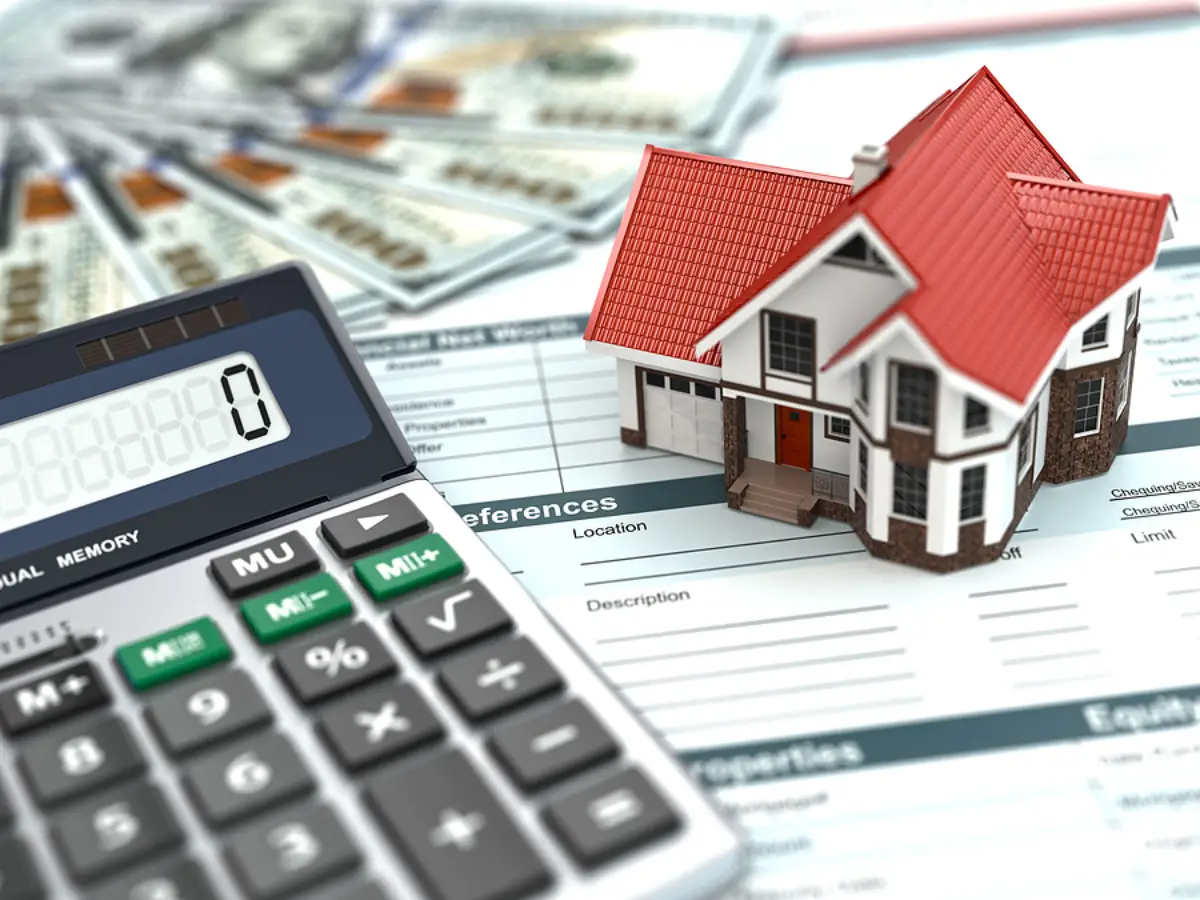
A rental property can stay occupied for years and still underperform financially. Many Chattanooga landlords focus on rent payments and low vacancy rates when evaluating success, but those indicators don't always reflect a property's full earning potential.
Small issues often develop gradually. Rent may fall behind the market, maintenance concerns can remain unresolved, and property improvements may be postponed longer than necessary. Individually, these issues might seem minor. Together, they can reduce long-term returns.
Taking a closer look at your property's overall performance can help uncover opportunities that are easy to miss during day-to-day ownership. Even reviewing your current rent collection process may reveal areas where efficiency and cash flow can improve.
Key Takeaways
- Occupancy alone does not determine whether a rental property is maximizing income.
- Delayed rent adjustments can gradually reduce profitability.
- Routine inspections help prevent expensive maintenance surprises.
- Property updates help rentals remain competitive in Chattanooga.
- Consistent management practices support stronger financial results.
Market Changes Can Leave Rent Pricing Behind
A rental that was competitively priced several years ago may no longer align with current market conditions. Chattanooga continues to attract residents, and rental demand has shifted across many neighborhoods.
Owners often hesitate to raise rent because they value reliable tenants. While tenant retention remains important, avoiding reasonable increases indefinitely can create a widening gap between actual income and market potential.
The Long-Term Effect of Small Pricing Gaps
A monthly difference of $100 may not feel significant. Across multiple lease terms, however, that amount can represent thousands of dollars in unrealized revenue.
Reviewing local rental trends and comparing similar properties can help determine whether adjustments are necessary. Pairing those findings with a smarter leasing strategy often provides a more complete picture of property performance.
Expenses Continue Rising
Property taxes, maintenance costs, insurance premiums, and service expenses rarely remain unchanged. When rent stays flat while costs increase, profitability naturally shrinks.
Regular evaluations help ensure rental income keeps pace with operating expenses.
Minor Maintenance Problems Rarely Stay Minor
Many tenants delay reporting small issues. Some assume the problem isn't serious, while others simply adapt to it.
Unfortunately, maintenance concerns tend to become more expensive when they remain unresolved.
Water Leaks Can Spread Damage
A small leak beneath a sink or behind a wall may go unnoticed for months. During that time, moisture can damage flooring, drywall, cabinets, and insulation.
HVAC Systems Show Warning Signs
Heating and cooling systems often signal trouble before failure occurs. Unusual noises, inconsistent temperatures, and reduced efficiency frequently indicate developing problems.
Appliances Age Gradually
Appliances typically decline over time rather than stopping abruptly. Performance issues can increase utility costs and create inconvenience for tenants.
Regular inspections provide opportunities to identify concerns before they evolve into costly repairs.
Long-Term Tenants Can Make Updates Easy to Postpone
When renters remain satisfied for several years, property improvements often move lower on an owner's priority list. While understandable, this approach can make future turnovers more challenging.
Prospective tenants compare multiple rental options. Properties that haven't been updated in years may struggle to compete against newer alternatives.
Improvements Commonly Delayed
- Flooring replacement
- Interior paint updates
- Lighting upgrades
- Appliance replacement
- Kitchen fixture improvements
Research into consumer behavior found that 32% of customers stop doing business with a favorite brand after a poor experience. Expectations matter in every industry, including residential housing.
Incremental Upgrades Reduce Future Stress
Spreading improvements over several years can make projects more manageable financially while helping the property remain attractive to future applicants.
Many owners benefit from conducting a property value assessment before prioritizing upgrades because it helps identify which improvements may provide the greatest return.
Familiarity Can Lead to Inconsistent Lease Standards
Long-term tenant relationships often develop trust and mutual respect. While that's beneficial, it can sometimes result in less consistent lease enforcement.
Small exceptions may appear harmless initially, but repeated allowances can create operational challenges.
Areas That Often Require Attention
Payment Expectations
Occasional late payments can become recurring patterns when standards are not consistently applied.
Occupancy Changes
Additional residents who are not listed on the lease may increase wear on the property and create liability concerns.
Pet Policy Compliance
Unapproved pets can contribute to property damage and insurance complications.
Property owners who maintain clear lease standards often avoid many of these issues before they become larger concerns.
Financial Reviews Reveal What Rent Payments Don't
Collecting rent each month is only one measure of performance. Successful ownership also requires understanding where money is being spent and whether expenses are generating value.
Areas Worth Monitoring
- Maintenance expenses
- Capital improvement costs
- Vacancy periods
- Rental pricing
- Lease compliance
- Tenant retention
Owners who regularly analyze financial performance often make more informed decisions about their investments.
Using tools such as an accurate prorated rent guide can also help eliminate avoidable accounting inconsistencies during move-ins and lease transitions.
Data Supports Better Decisions
Financial reports help identify patterns that may otherwise go unnoticed. Trends involving repairs, vacancies, and operating costs often become clearer when information is organized consistently.
Many investors also use an ROI performance calculator to evaluate whether a property continues meeting financial goals.
Consistent Oversight Supports Better Outcomes
The most significant income losses rarely occur all at once. More often, they develop gradually through delayed decisions and overlooked details.
Regular reviews help owners identify opportunities before they become expensive problems.
Hospitality industry research demonstrates how quality influences satisfaction. Customer ratings reached 81 out of 100 for in-room amenities when accommodations consistently met expectations. While residential rentals differ from hotels, tenants still value well-maintained homes that function reliably.
Property owners who prioritize inspections, maintenance planning, pricing evaluations, and lease consistency often position themselves for stronger long-term performance.
A professional rental performance review can help identify opportunities that may not be obvious during routine ownership.
FAQs about Hidden Rental Revenue Loss in Chattanooga, TN
Why can two similar rentals produce different financial results?
Properties with comparable rents may perform very differently due to maintenance costs, tenant turnover, lease management practices, and capital improvement decisions. Small operational differences often influence profitability more than owners initially expect.
Can outdated property features affect rental income before a vacancy occurs?
Yes. Aging fixtures, appliances, and finishes may contribute to higher maintenance costs, lower tenant satisfaction, and reduced competitiveness, even when current residents choose to remain in the property.
What role does documentation play in property performance?
Accurate records help owners monitor expenses, identify trends, evaluate vendor performance, and make informed financial decisions. Strong documentation often reveals opportunities for improvement that would otherwise remain unnoticed.
How can maintenance scheduling influence long-term returns?
Planned maintenance helps reduce emergency repair costs, extends the lifespan of major systems, and allows owners to budget more effectively while preserving property condition throughout the year.
Why should landlords review market conditions regularly?
Rental markets evolve due to economic changes, population growth, housing supply, and local demand. Regular market reviews help owners make informed decisions about pricing, upgrades, and long-term investment planning.
Closing the Gaps Before They Affect Your Bottom Line
Many rental owners focus on major events such as vacancies or large repairs, yet smaller decisions often have a greater influence on long-term profitability. Pricing that falls behind the market, maintenance delays, and inconsistent operational practices can gradually reduce returns without drawing immediate attention.
Addressing those issues becomes much easier when property performance is reviewed consistently rather than only when problems arise. Regular oversight helps uncover opportunities to improve efficiency, protect income, and keep a property aligned with changing market conditions.
At PMI Chattanooga, we support owners with the tools, reporting, and guidance needed to make informed decisions throughout the life of an investment property. Explore our property owner resources to learn more about available support and streamline your rent collection with solutions designed to keep cash flow predictable and consistent.